-
- Mumbai
- Lucknow
- Bangalore
- Indore
- Kanpur
- Nashik
- Bhopal
- Hyderabad
- Dial: +91 9329222197
- Chat on WhatsApp
-
-
 Green Tea $ 4.00
 -
 Biotin Complex $ 26.00
-
Biotin Complex $ 26.00
Total: $30.00 -
Overview
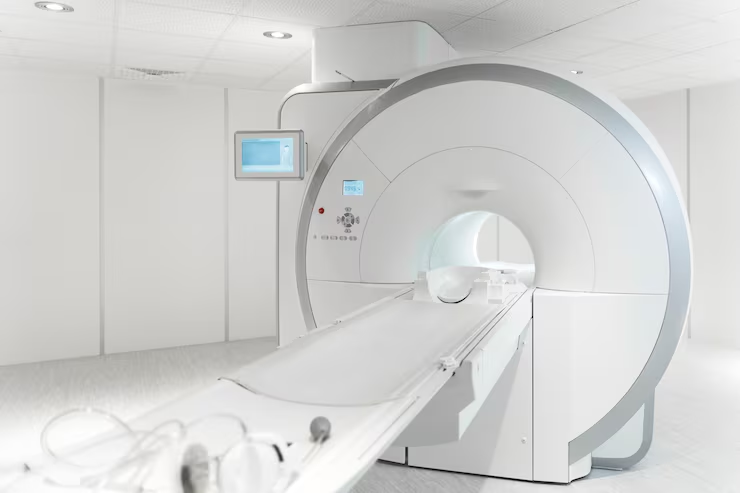
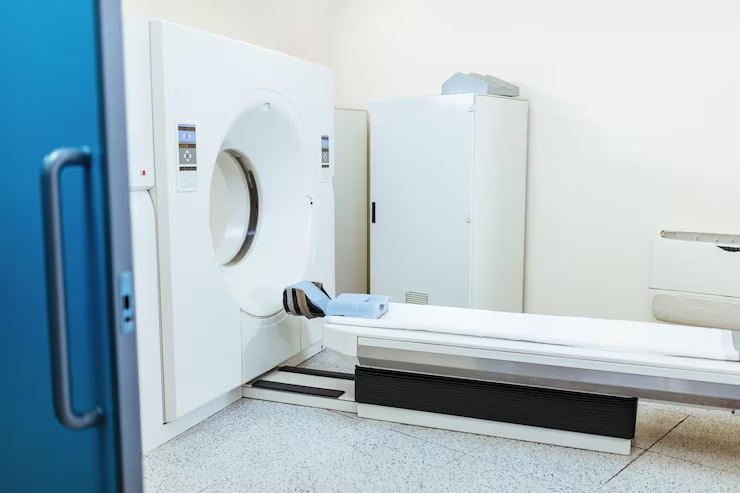
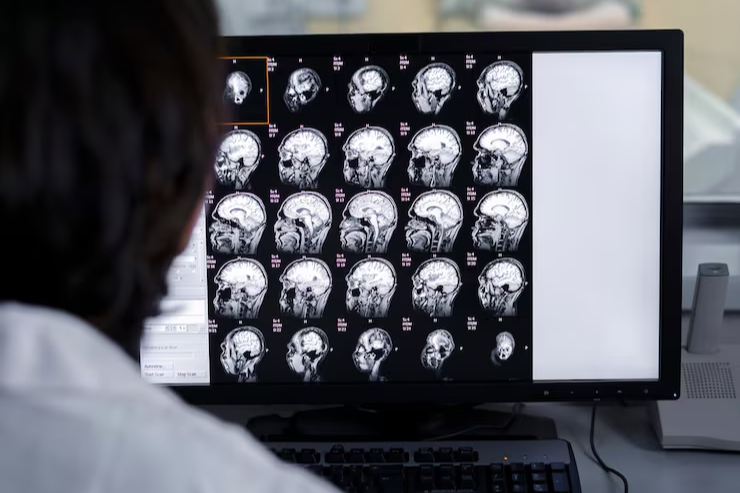
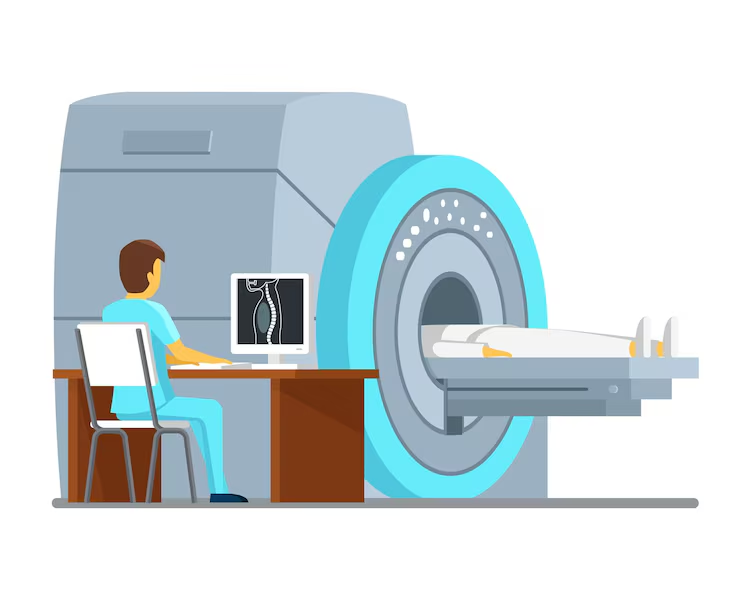
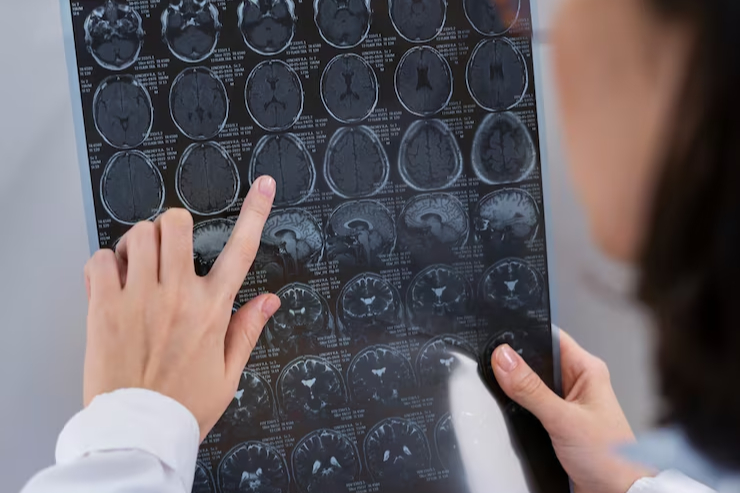
A CT (Computed Tomography) scan is a fast, advanced imaging technique that uses X-rays and computer processing to produce clear cross-sectional images of internal organs, bones, blood vessels, and soft tissues.It helps doctors diagnose conditions quickly and accurately—supporting timely decisions, early detection, and effective treatment planning.With our trusted diagnostic partners, patients get access to certified centres, modern multi-slice CT scanners, and expert radiologists for precise reporting.
When is a CT Recommended?
CT is recommended when doctors need detailed images of internal structures or rapid evaluation in emergency situations. It is commonly prescribed for:
Brain injuries, bleeding & stroke evaluation
Spine & bone fractures
Joint trauma (knee, shoulder, hip)
Tumors, cysts & abnormal growths
Chest, abdomen & pelvic disorders
Suspected infection or inflammation
Blood vessel abnormalities (CT Angiography)
Unexplained pain, swelling, or dizziness
Types of CT Scans Available
We offer access to a wide range of CT studies, including:
CT Brain
CT Spine (Cervical / Thoracic / Lumbar)
CT Knee / Shoulder / Hip
CT Abdomen & Pelvis
CT Chest
CT Angiography (CTA)
Contrast CT Scan
Whole-Body CT Screening
Conditions CT Helps Detect
CT scans can identify a wide range of medical conditions, such as:
Stroke & brain hemorrhage
Tumors & metastasis
Fractures & joint injuries
Lung infections & pneumonia
Kidney stones & gallstones
Blood vessel diseases
Organ disorders
Infections & inflammation
Preparing for Your CT Scan
To ensure a smooth experience:
Remove metal items before the scan
Inform if you have implants, pregnancy, or allergies
Wear comfortable clothing
Fasting may be required for contrast CT
Scans Price List
The prices may vary from centre to centre.Health Tips & Info
CT scans are quick, painless, and highly effective for diagnosing injuries, infections, and internal health issues. Staying still during the scan, wearing comfortable clothing, and informing your doctor about any allergies or kidney-related problems—especially before contrast scans—helps ensure accurate and safe results.
A CT (Computed Tomography) scan uses X-rays and computer processing to create detailed cross-sectional images of the body’s organs, bones, and soft tissues. It is commonly used for head, chest, abdomen, and bone evaluations and provides faster imaging than many other modalities.
CT scans involve a small amount of ionizing radiation. For most people the benefit of accurate diagnosis outweighs the risk, but exposure is kept as low as reasonably achievable. CT is generally avoided in pregnancy unless medically necessary. Some contrast-enhanced CT scans use iodine-based contrast which can cause allergic reactions or affect kidney function in susceptible individuals — inform the radiology team about allergies and kidney problems.
Wear comfortable clothing and remove metal items such as jewelry and belts. Inform the radiology team if you are pregnant, have allergies (especially to contrast dye), or have kidney disease. For CT scans with contrast, you may be asked to fast for a few hours before the test. Follow any specific instructions provided by your clinic.